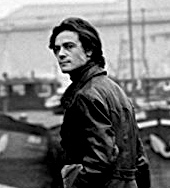
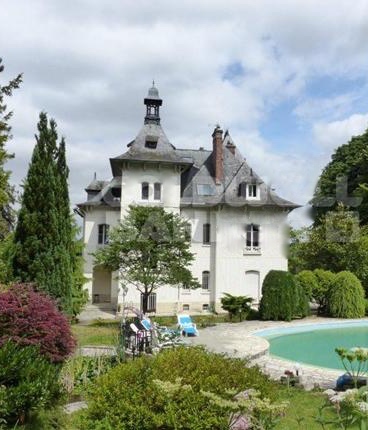
“At four a.m., an unmarked black van, drawn by two powerful draft horses rumbled up the avenue toward the gate of the Grande Roquette Prison….The wagon passed through the police barrier and halted next to five rectangular granite stones, which demarcated a level space set aside for the guillotine. The executioner and four assistants opened the van, removed its contents, and began the task of assembling the guillotine. At dawn Laurent Moreau had less than two hours to live.”
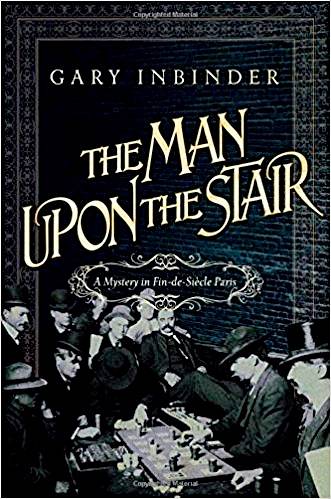 In this third novel in the new Achille Lefebvre series, set in the waning days of nineteenth century France, author Gary Inbinder ties up some loose ends from the two previous novels in the series – opening with the execution of Laurent Moreau, who had committed two murders and had conspired in a bomb plot that would have killed or maimed dozens. Half a page later, the execution is over and the Chief of the Paris Detective Police is relaxing in his office, his final act as chief, over. He has been joined by young Achille Lefebvre, the man who will be his replacement. A family man who does not believe that capital punishment has a deterrent effect on crime and constitutes instead “little more than an act of revenge,” Lefebvre has heard the rumors that some of Moreau’s cronies have sworn revenge on him. Gradually, the author brings the reader up to date on fates of several other characters who have apparently participated in previous cases and previous novels. Lefebvre is regarded as a “Professor” by some of his subordinates because of his straight talk, formality, and concern with details, and he is hoping that his new staff, which has been rejecting the new “typewriter” which the department has purchased, will see one of his own assistants using it for his reports and may want to try it themselves. One way or the other, Lefebvre will be insisting that their reports be on time and legible.
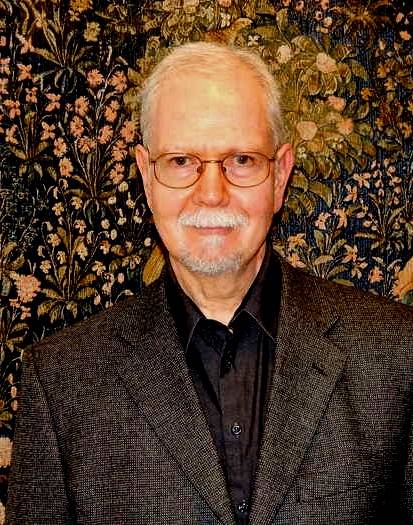
Author Gary Inbinder, a retired attorney who left the law to become a full-time writer.
While Lefebvre has been in Paris tending to business, his wife Adele and their four small children, accompanied by her mother, have been enjoying the spa in Aix-les-Bains while also visiting Lefebvre’s uncle, a retired magistrate. Their presence at the resort, halfway between Paris and Monaco, near Switzerland, shows their position in society and explains both their manners and their expectations. Adele will return to Paris as soon as possible to rejoin her husband, but she has agreed first to see Madame de Livet, the wife of a wealthy parvenu who calls himself a baron, before departing. Madame de Livet explains the background of her marriage of convenience and apologizes for her husband’s atrocious lack of manners toward Adele and others. For the past several nights, he has been playing cards with a Russian prince. Later, when Adele expresses her sadness for Mme de Livet to her mother, her mother immediately warns her that Mme. de Livet may want something from Lefebvre. A week later, the baron disappears. Before long, a death takes place in Mme. de Livet’s household, her husband’s manservant has disappeared with him, and his Gladstone bag filled with cash is now missing.
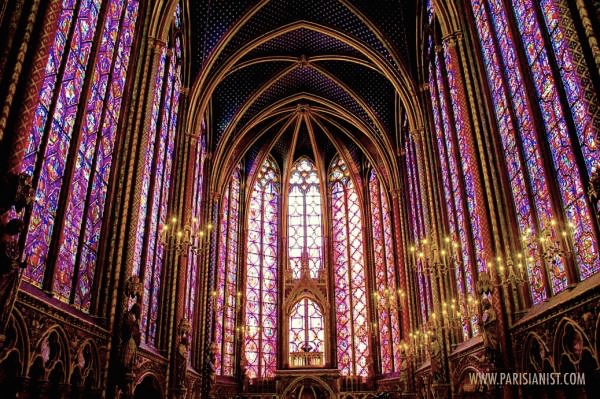
Sainte Chapelle, an ancient royal chapel, where Lefebvre met Rousseau, his former partner, to discuss progress in the case.
With this general outline of the over-riding plot, Inbinder works on several different objectives at once. He introduces over two dozen characters, mostly male, who are associated with the work of Lefebvre or with each other, and while the reader may find that making a character list helps, a large number of this formidable cast are eventually shown to have little to do with the direct action, and some readers will wonder why it was necessary to include them at all. Where Inbinder succeeds beautifully, however, is in his depiction of the atmosphere – the well-known places in Paris and elsewhere which work their way into the story, along with characters already known to the reader from other sources. An ancient royal chapel, Sainte-Chapelle, becomes the site of a pre-dawn meeting between Lefebvre and Rousseau, his former partner, now working in different police activities, for example. Rousseau warns Lefebvre again about the plans of Moreau’s gang to try to murder him, suggesting that “his” way, Rousseau’s way, would be to bring these men in for questioning where they would “resist arrest or attempt to escape” so that they could be killed in the process. Again, Lefebvre resists this kind of “justice,” and the contrast between the beauty of the stained glass windows in the chapel and the horrors of the proposed police actions are clear.
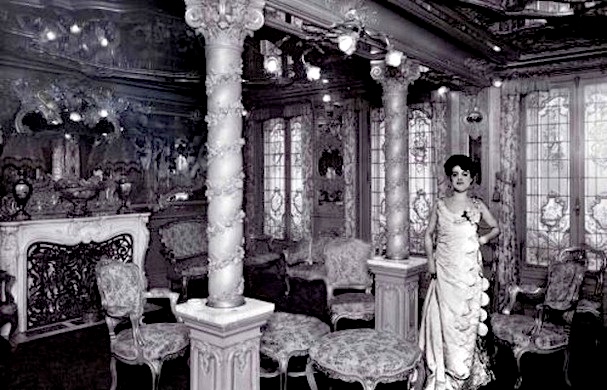
Le Chabanais, described as “the most famous and fashionable brothel in Paris.
Le Chabanais, “the most famous and fashionable brothel in Paris,” is the site of another meeting. “The place catered to celebrities both domestic and foreign, including the Prince of Wales, several prominent members of the Jockey Club, and two of Lefebvre’s artistic acquaintances, the writer [Guy] de Maupassant and the painter Toulouse Lautrec.” He also visits the studio of Lautrec where he sees that “the design for the new Moulin Rouge poster is almost finished.” Some humor evolves when Lefebvre meets with a female informant from the brothel and Lautrec teases him about his reluctance to call a spade a spade where the women are concerned. An experiment with powered flight near the Eiffel Tower in a cigar-shaped balloon is a fascinating commentary on the period as many people turn out to watch it and its aftermath. On another occasion, Lefebvre is near the place where Victor Hugo’s detective Javert had his final confrontation with Jean Valjean. “The fugitive had spared the police officer’s life, and despite years of tenacious pursuit, Javert let his quarry go. After a lifetime of dedication to strict enforcement of the laws, Javert could not live with the contradiction. In despair, he leaped from the quay to his death in the turbid waters.” All these references add color and atmosphere to the novel.
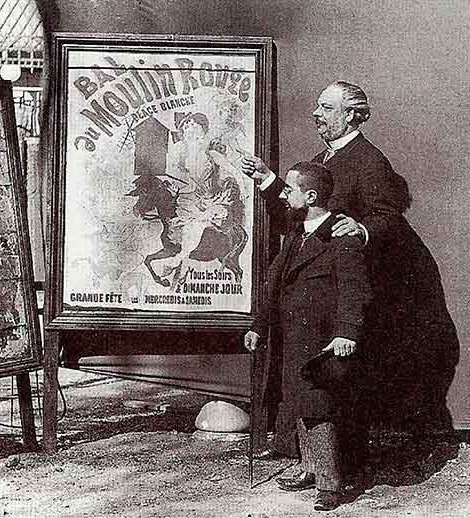
Toulouse Lautrec (front) in his studio after revealing his latest poster for Le Moulin Rouge, something that Lefebvre was pleased to see.
Inbinder’s necessary pre-occupation with the past often comes at the expense of “telling about” the action through what people have said to the police, rather than through depiction of the action itself, thereby limiting the direct involvement of the reader. The plot, slow to start, amidst all the identifications of the many characters, past and present, picks up about halfway through the novel, though more authorial “teaching” takes place when it becomes necessary to explain the involvement and actions of the Russians and the British in French politics. It is the involvement of the demimondaines in the narrative which keeps it grounded, providing both elements of humor and of touching realism. Lovers of this historical period will find plenty here to keep them involved and entertained.
Photos. The author’s photo appears on: https://www.goodreads.com
Sainte Chapelle, where Lefebvre met Rousseau, his former partner to discuss progress in the case. https://www.parisianist.com/en/attractions/monuments/sainte-chapelle
Le Chabanais, described as “the most famous and fashionable brothel in Paris. https://alchetron.com/Le-Chabanais
Toulouse Lautrec in his studio after revealing his latest poster for Le Moulin Rouge, something that Lefebvre was pleased to see. Click to enlarge. https://patrons.org.es/henri-de-toulouse-lautrec/
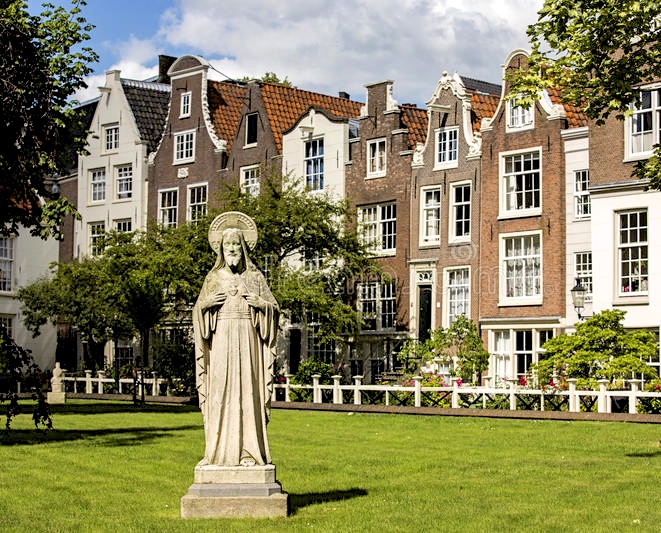
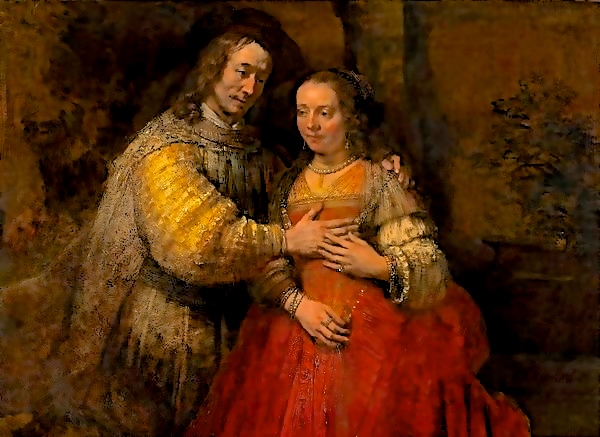
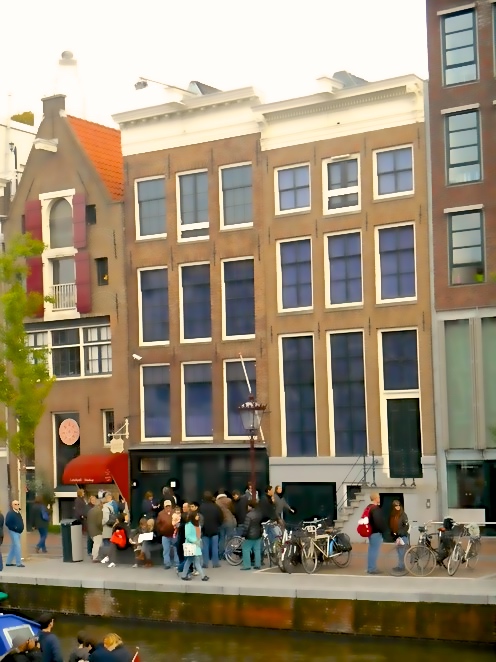
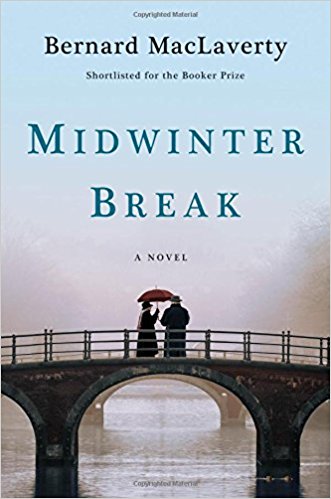 Winner of innumerable prizes in both Ireland, where he grew up and went to college, and Scotland, to which he moved permanently with his family during the Irish Troubles in 1975, Bernard MacLaverty has always had a special place in my heart. His writing is unpretentious, realistic, and often filled with ironic humor, even when he is dealing with the complexities of relationships and the honest feelings of his sometimes quirky characters. This novel, his first in sixteen years, is worth waiting for – a novel about an older, retired couple, Gerry and Stella, married for decades, who have pursued their own goals separately, while living together, and have now reached a point at which they must consider whether they are still truly in love. Wanting a brief vacation away from Scotland, to which they, like the author and his family, have moved permanently from Northern Ireland, they have decided to spend a few days in Amsterdam – or rather, the wife, Stella, has suggested the location because there is a special place there that she wishes to see. Her genuinely caring husband Gerry is amenable to whatever she wants, but he has been living recently in an alcoholic haze, and his primary concern has been hiding the physical evidence of his consumption from her.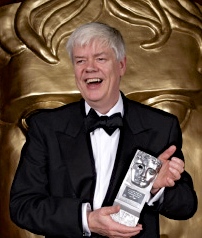
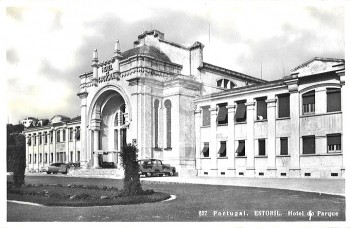
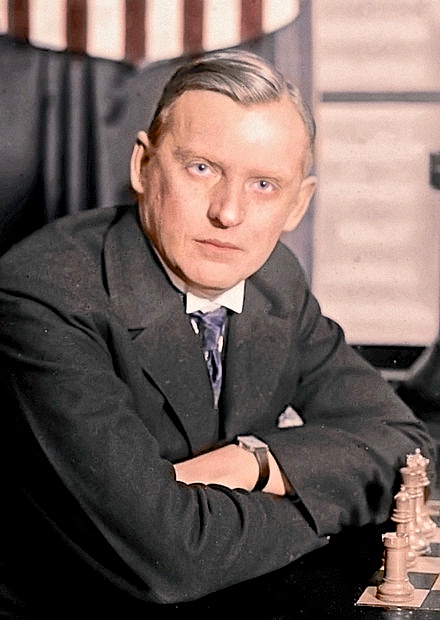
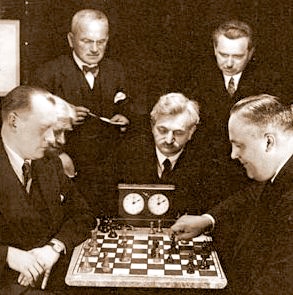
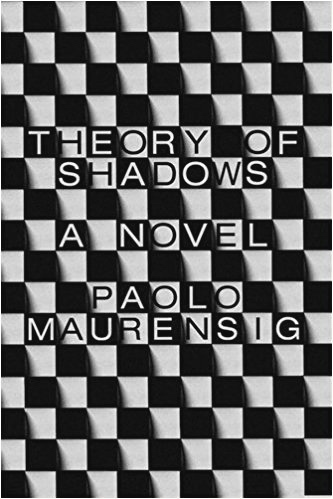 On March 24, 1946, fifty-four-year-old world chess champion Alexandre Alekhine* was found dead in his hotel room at the famed Hotel do Parque in Estoril, Portugal. He had been living there for two months during the off-season, first awaiting news of a worthy opponent and then awaiting the details regarding a future match. As Italian author Paolo Maurensig develops this story, Alekhine’s life in several different countries under several different governments begins to unfold, and the suspicious circumstances in which his body was found lead to the inescapable conclusion that this death may not have been an accident. Alekhine was fully dressed and wearing a heavy coat as he sat in his overheated room, apparently eating a meal, though he had already attended a full dinner in his honor that same night. The journalist who reported on his death in the Portuguese press, Artur Portela, did so in the face of strong censorship and the influence of the secret police of the long-time ruler of Portugal, Antonio de Oliveira Salazar, which promptly ended the investigation, making no comment at all. This led some to wonder about the possible involvement of the Portuguese in Alekhine’s death. Others pushed the idea that his death was suicide.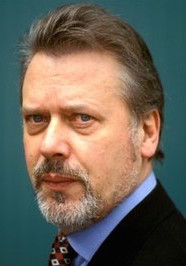
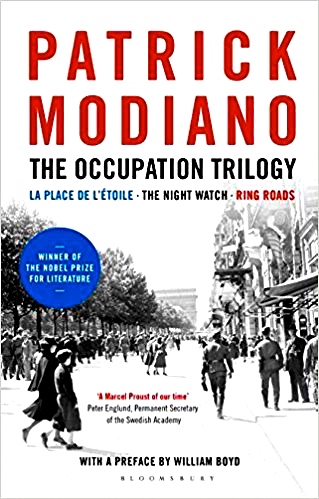
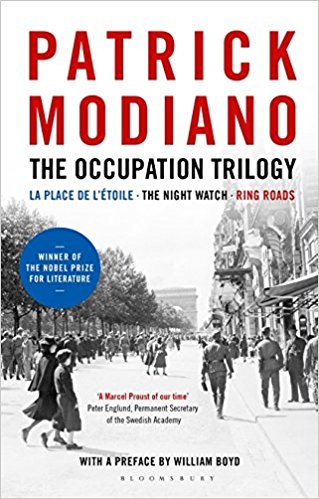 The three novels of the Occupation Trilogy,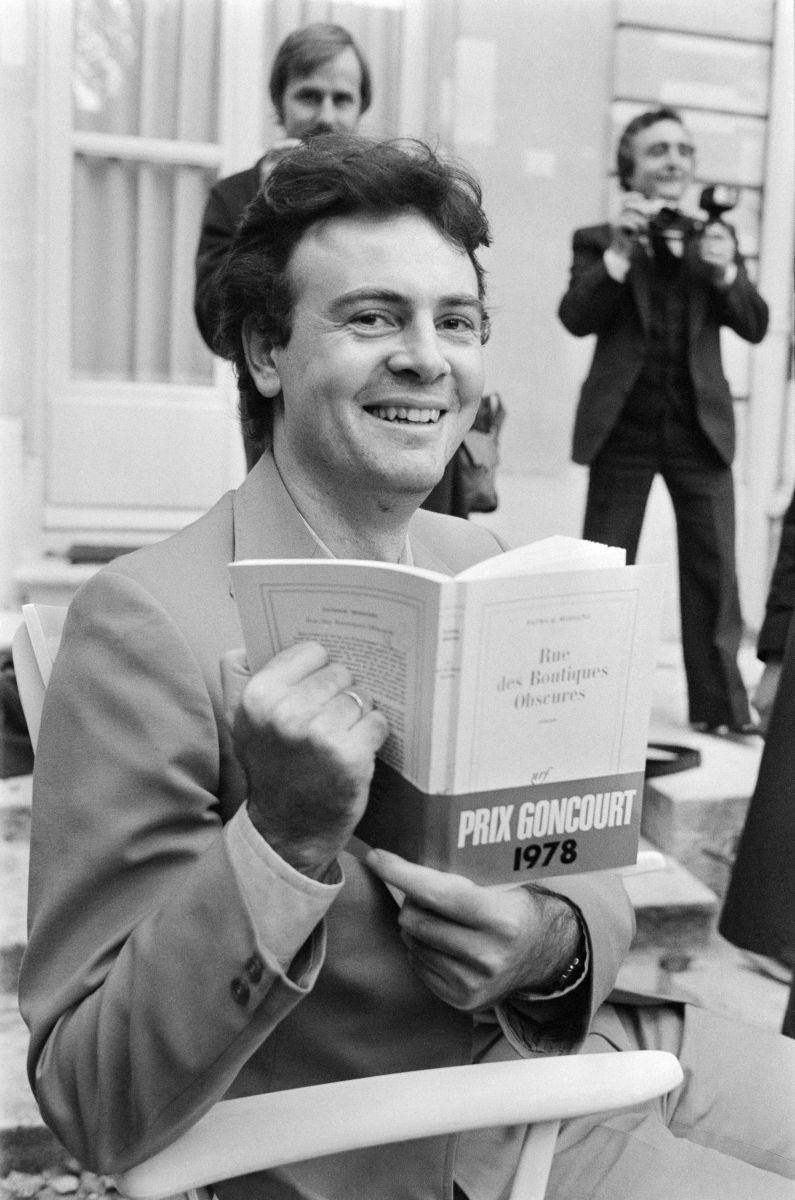
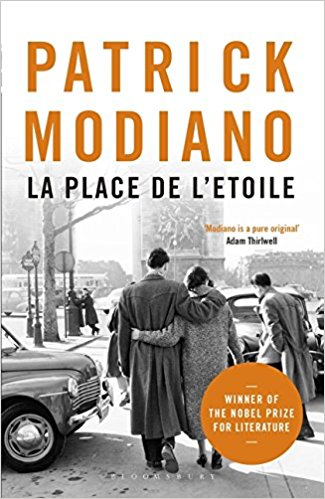 Filled with the kind of imagination which young writers delight in exploring, Modiano here “lets things fly,” creating one of the wildest debut novels I have ever read as he obviously imagines himself in the role of Schlemilovich, committing every crime, betraying anyone who crosses him, and acting on every resentment that a talented, but personally neglected, twenty-two-year-old author might harbor against the rest of the world. Modiano does, however, reveal much from his own life through the voice of his narrator – his love of writing and fine literature, his difficulties with an absent father and equally absent actress mother, his enduring sense of irony and, remarkably, his humor. It is through these qualities that a sense of reality does intrude within the obvious fantasy of this picaresque and out-of-this-world novel.
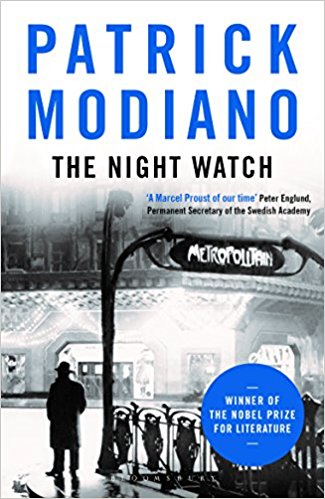 Though Modiano’s style here is more controlled, much less frantic, than it was in
 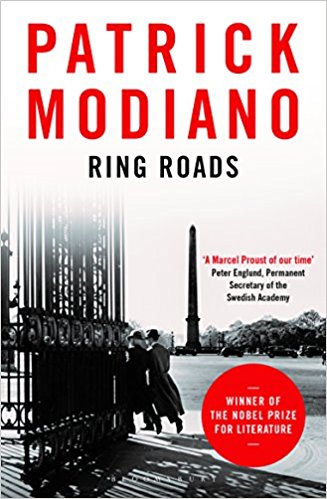 The third book in the trilogy,
 Note: Readers unfamiliar with Modiano may find that the best place to start reading this addictive author is with
  Those who are familiar with the novels of Nobel Prize winner Patrick Modiano will immediately empathize with the references to the “unknown” father of the speaker in this novel. It is a recurring image throughout all of Modiano’s work, as it has been throughout his life. What he (and we) know from his later work is that he was the son of an actress who was away performing all over the world during his early childhood. His father was a man who, during World War II and afterward, cooperated with the French Gestapo as a blackmarketeer and blackmailer, a member of the famed French Rue Lauriston gang. As he shows in his most explicitly biographical novel