Note: Patrick White was WINNER of the Nobel Prize for Literature in 1973.
Epic scope and mystical significance.
This complex, bu t exciting and tension-filled, Australian novel by Patrick White begins as the straightforward story of Mary Hare, a strange, half-mad spinster who lives in Xanadu, a crumbling “pleasure dome,” with the busybody Mrs. Jolley, a servant she fears. At various times in her meanderings outside Xanadu, Mary meets a kind laundress named Mrs. Godbold, who lives in a shed with her nine children; Alf Dubbo, an often-drunk aborigine artist; and Mordecai Himmelfarb, a Jewish concentration camp survivor who has emigrated to Australia and now works in a machine shop.
In succeeding sections, in which these characters overlap, their intricate interior lives are developed in colorful, memorable detail, and the reader quickly sees that each is a lonely survivor of some traumatic experience which has made him/her question the nature of good and evil. Each hopes to unravel some of the mysteries at the center of the universe. Remarkably, all of them have experienced the same apocalyptic vision of a chariot being drawn by four horses galloping into a shimmering future.

In the hands of a lesser writer, the characters, their daily lives, and their vision of a mystical chariot might have been presented in a sentimental or romantic way, or even have been used to illustrate the author’s religious views. But White’s view of the chariot and its importance is far subtler – and more enigmatic – than that, and its role in the lives of these characters is both unsentimental and haunting.
Tantalizing parallels between the vision of the chariot and the mysteries of Revelations, the Four Horsemen of the Apocalypse, and the Seven Seals, along with Biblical warnings about blood, fire, and destruction will keep a symbol-hunter totally engaged. At the same time, more literal readers will find the stories and characters so firmly grounded in the reality of 1960’s Australia, that they are captivating in their own right and may be taken, and thoroughly enjoyed, at face value.
This is a hug e novel, an old-fashioned saga of fascinating characters living their lives the best way they can, while wrestling with issues of epic significance. The author’s primary concern with telling a good story never falters, despite the overlay of mysticism, and the leisurely pace and fully realized dramatic action make this a totally fulfilling reading experience.
Notes: The author’s photo is from http://news.bbc.co.uk
The Chariots of Fire are from http://aliencases.conforums.com/, with reference to The History Channel’s images.
Also reviewed here: THE VIVISECTOR , VOSS,


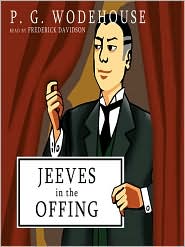
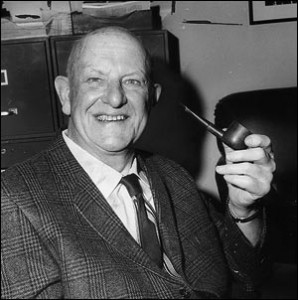
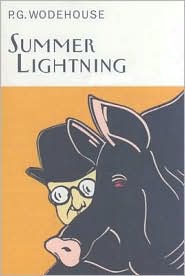
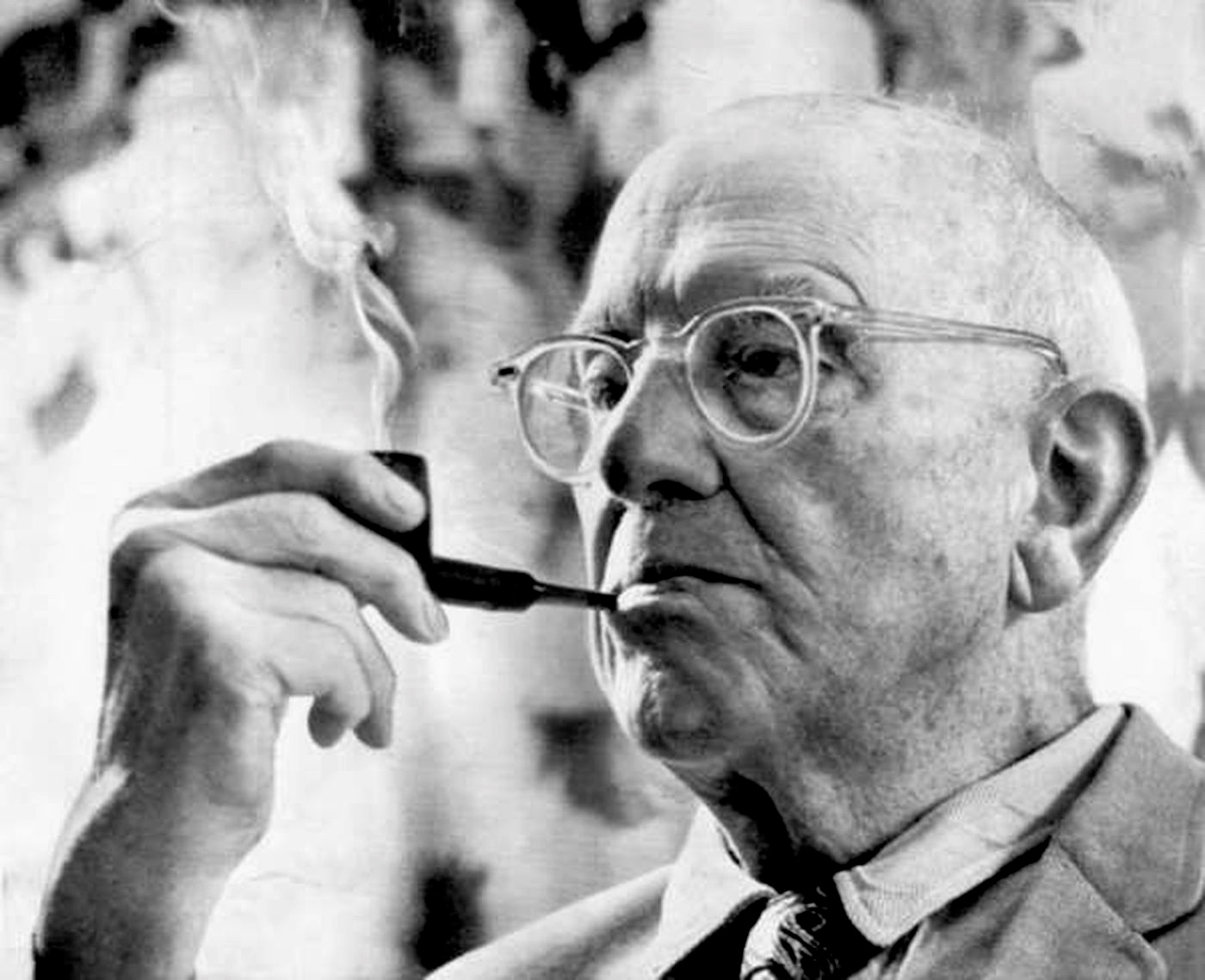
 The characters are stereotypical in their class and motivations, and the novel’s complications follow the standard pattern of comedies of manners. Wodehouse enjoys shining the spotlight on his characters, however, and as they deal with their problems, for better or worse, some of them develop personalities beyond their stereotypes. The reader hopes for their success in love, despite their manipulations of the truth, and their sometimes foolish behavior adds an element of charm to the novel. Light in tone, despite the satire, Wodehouse novels show the absurdities of the aristocratic class, but they also show that aristocrats, too, are human, and in that respect they achieve an element of universality often missing from other satire.